Experience a new era in agriculture
Step into a remarkable agricultural adventure with our selections.

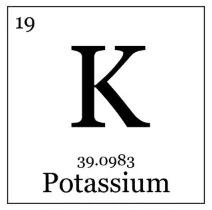
About the benefits of potassium
It has been well established that the use of potash fertilizers is essential for achieving high and reliable yields in agricultural crops.
What functions does potassium serve, and why is it so highly esteemed by farmers around the globe?
We are excited to share some intriguing and informative insights on this topic.
Potassium is a fundamental chemical element that, alongside nitrogen and phosphorus, is critical for plant health. It is commonly found in nature, but only in compound forms. This element is a key ingredient in raw potassium salts and concentrated potassium fertilizers, which are vital for plant nutrition.
In agricultural practices, both granular and fine potassium chloride are manufactured for fertilization purposes. Granular potassium chloride offers a prolonged effect, dissolving at a slower rate and being less affected by rainfall. Additionally, potassium is a crucial component of NPK fertilizers, which combine nitrogen, phosphorus, potassium, and various macro- and microelements into a single granule.
Crops that have a high affinity for potassium include sugar beets, fodder beets, potatoes, a variety of vegetables, and sunflowers. These crops require significantly more potassium compared to grain and legume crops, flax, and perennial grasses. The application of potassium fertilizers not only enhances the flavor of vegetables like carrots, cabbage, tomatoes, and cucumbers but also influences their shape and color.
Potassium is one of the most abundant elements in the soil, with its levels typically exceeding those of nitrogen and phosphorus. The potassium content in soil is largely determined by its mechanical composition, being most abundant in clayey and loamy soils, while sandy soils contain much less. Since potassium is continuously leached from the soil, it is important to replenish its reserves regularly.
This element plays a crucial role in maintaining plant health, as it boosts natural resistance to diseases and pests. Potassium also facilitates the process of photosynthesis and the synthesis of pectin substances, leading to stronger plants that are less prone to lodging, which is vital for maximizing yields.
When potassium is deficient, plants may exhibit symptoms such as premature yellowing of leaves, brown spots, and "marginal burns." Stems and shoots may weaken, flowering may be diminished, and overall plant growth can be stunted. Consequently, crops become more vulnerable to fungal diseases.
Moreover, potassium fertilizers, particularly potassium chloride, help reduce the nitrate levels in vegetable products, lowering NO3 concentration by 30-50%.
Finally, potassium fertilizers enhance the storage life of vegetables during winter, as they promote the development of a robust epidermis in vegetables and root crops, which helps prevent the entry of harmful microorganisms.
Join businesses thriving with our agricultural solutions.
Make your company a better place.
Agrochemicals
Conquer challenges, optimise yields, create with partners and more. Get lost in a growing library of agricultural innovations and all-new solutions.
Freedom
No matter who you are, with a growing library of agrochemical solutions and innovations there is no limit to how you can enhance your agricultural practices.